


Assess the full spectrum of gambling philosophy in casinos
The Psychology of Chance and Skill in Casino Games
Casino gambling, at its core, is a fascinating interplay between elements of pure chance and perceived skill. While games like roulette and slot machines are almost entirely dictated by random outcomes, games such as poker and blackjack offer players opportunities to influence the results through strategic decision-making. This duality creates a rich ground for psychological exploration, as individuals grapple with the allure of luck versus the satisfaction derived from skillful play. The philosophical underpinnings here often touch upon fatalism, determinism, and free will, as players either surrender to the whims of fate or assert their agency through calculated moves. For example, understanding the psychological drivers behind betting can be explored further on sites like https://7bet.eu.com/, which may offer insights into player behavior and motivation.
Understanding this spectrum is crucial for any casino operator aiming to cater to diverse player motivations. Some patrons seek the simple thrill of unpredictability, embracing the possibility of a sudden windfall with minimal effort. Others are drawn to the intellectual challenge, the mental gymnastics required to outwit opponents or the dealer. This distinction directly impacts game design, marketing strategies, and responsible gambling initiatives, as different player profiles respond to different stimuli and exhibit varying risk appetites.
Risk, Reward, and Rationality in Gambling Decisions
The philosophy of risk and reward is central to the casino experience. Players are constantly evaluating the potential gains against the inherent probabilities of loss. This decision-making process can be viewed through various economic and psychological lenses. From a purely rational perspective, a bet is only worthwhile if the expected value is positive, a rare occurrence in most casino games. However, human decision-making is often far from purely rational, influenced by emotions, cognitive biases, and the sheer excitement of the gamble.
The concept of utility theory plays a significant role here. While a dollar gained might offer a certain level of satisfaction, the pain of losing a dollar can often feel more acute. Casinos, in their design and game offerings, capitalize on this by presenting attractive reward structures that often mask the underlying statistical disadvantages. Philosophically, this raises questions about the nature of value, the pursuit of pleasure over prudence, and the ethical considerations for businesses that profit from these very human tendencies.
The Social and Cultural Dimensions of Casino Gambling
Beyond individual psychology, casino gambling is deeply embedded in social and cultural contexts. Historically, gambling establishments have served as social hubs, places for entertainment, and sometimes, as symbols of status or aspiration. The philosophy here extends to how societies view risk-taking, wealth generation, and leisure. Different cultures approach gambling with varying degrees of acceptance, regulation, and social stigma, reflecting broader societal values and economic conditions.
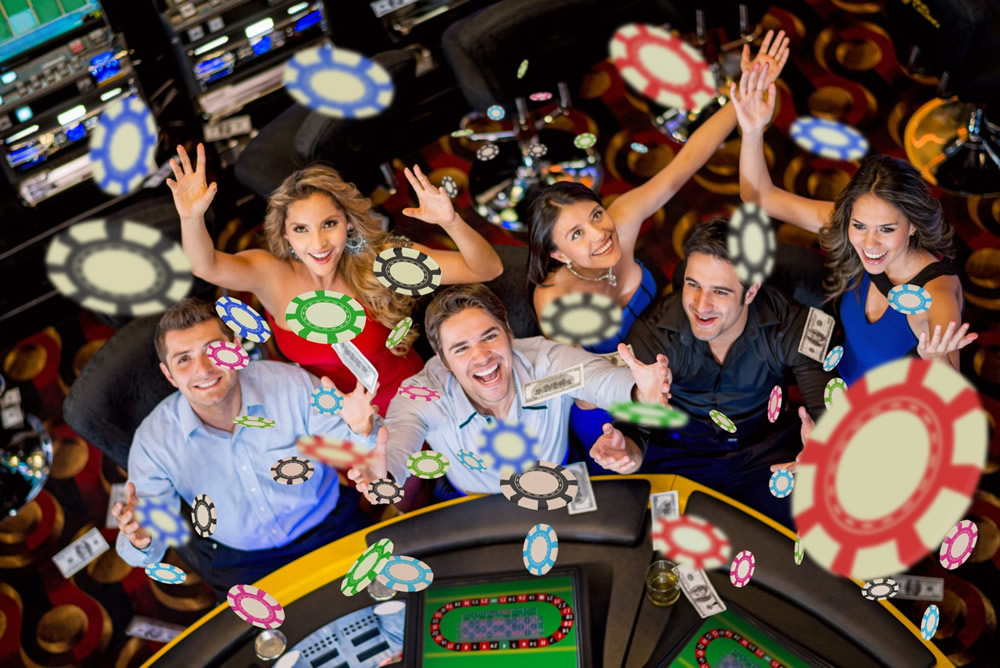
The act of playing in a casino can be a shared experience, fostering camaraderie or intense rivalry. These social dynamics are not merely incidental; they are often integral to the appeal of the casino. The philosophy of community, shared excitement, and the ritualistic nature of gambling all contribute to its enduring presence. Furthermore, the evolution of online casinos has introduced new social dimensions, from virtual chat rooms to competitive tournaments, further diversifying the philosophical implications of communal gambling.
Ethical Considerations and Responsible Gambling Philosophies
A critical aspect of the gambling philosophy revolves around ethical considerations and the promotion of responsible practices. The industry’s inherent ability to generate significant revenue is balanced against the potential for harm to vulnerable individuals. Philosophies of ethical business conduct, consumer protection, and social responsibility are paramount in navigating this complex terrain.
The development of responsible gambling frameworks is a testament to the evolving understanding of these ethical imperatives. This includes initiatives such as self-exclusion programs, setting spending limits, and providing resources for problem gamblers. The underlying philosophy is one of minimizing harm while still allowing individuals to engage in an activity that many find enjoyable. This requires a continuous dialogue between operators, regulators, and the public to ensure that the pursuit of profit does not overshadow the well-being of patrons.
Navigating the Casino Landscape with a Philosophical Approach
When considering the full spectrum of gambling philosophy within a casino context, it’s essential to look at how these principles are implemented in practice. For instance, platforms like the one referenced in your site’s accessibility statement (though currently inaccessible) would ideally strive to integrate these considerations. A well-designed casino experience, regardless of its digital accessibility status, should acknowledge the psychological drivers, the risk-reward calculations, and the social fabric of gambling.
Ultimately, a philosophically informed approach to casino operations means understanding that each bet placed is not just a transaction but a manifestation of deeper human desires, beliefs, and decision-making processes. It involves creating an environment that is not only engaging and entertaining but also mindful of its impact, promoting fair play, and offering avenues for those who may need support. The commitment to accessibility, as highlighted by your site’s current status, is itself a crucial part of an ethical and philosophically sound approach to digital service provision in the gambling sector.