


A Comprehensive Guide to Money Transfers Understanding Your Options
A Comprehensive Guide to Money Transfers: Understanding Your Options
In today’s interconnected world, transferring money across borders has become a common practice. Individuals and businesses alike engage in money transfers for various reasons, including sending remittances to family members, paying suppliers, or managing investments internationally. However, navigating the world of money transfers can be complex, especially when it comes to understanding the available options, the risks involved, and the regulations that govern these transactions. In this guide, we will explore the essentials of money transfers, including information on money transfers to Iran https://woodbridgebrewingco.com/pgs/money-transfers-to-iran-risks-and-permitted-channels.html.

Types of Money Transfers
There are several methods available for transferring money, each with its own advantages and disadvantages. The most common types include:
- Wire Transfers: These are typically bank-to-bank transfers that facilitate large amounts of money being sent quickly. They can be domestic or international and are known for their speed. However, they often come with higher fees.
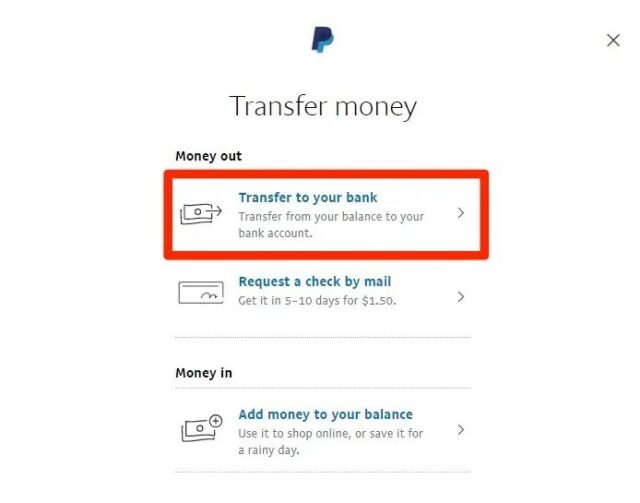
- Online Money Transfer Services: Companies like PayPal, Wise (formerly TransferWise), and Venmo offer convenient online platforms for transferring money. These services typically have lower fees than traditional banks and can process transactions faster.
- Cash Transfer Services: Providers such as Western Union and MoneyGram allow you to send cash to be picked up in person by the receiver. This option is useful in areas where banking services are limited.
- Cryptocurrency Transfers: With the rise of digital currencies, cryptocurrencies like Bitcoin are becoming a popular alternative for transferring funds. While they can offer lower transaction fees and quick processing times, they also come with volatility and regulatory concerns.
Considerations for International Money Transfers
When transferring money internationally, there are several important factors to consider:
- Currency Exchange Rates: Depending on the currencies involved, the exchange rate can significantly affect the amount received by the recipient. It’s essential to check rates and possibly use services that offer more favorable terms.
- Transfer Fees: Be aware of the fees associated with the transfer method you choose. Some services advertise low costs while hiding fees in exchange rates or other means.
- Transfer Limits: Different platforms may have limits on how much money can be sent at one time. Understanding these limits is crucial for planning larger transactions.
- Regulatory Compliance: Different countries have varying regulations regarding money transfers. It is vital to ensure compliance with these laws to avoid potential legal issues.
- Transfer Speed: Depending on the method chosen, the transfer time can range from minutes to several days. Choose the option that meets your urgency needs.
Risks Involved in Money Transfers
While most money transfer methods are safe, risks do exist. These include:
- Fraud: Scams can occur, especially in online transactions. Always verify the identity of the recipient and use reputable platforms.
- Market Fluctuation: With currency values fluctuating, your transfer value can change if the transaction is not executed immediately.
- Regulatory Risks: Some countries have strict rules governing money transfers. Failing to comply can lead to fines or legal trouble.
Best Practices for Safe Money Transfers
To minimize risks and ensure a smooth transaction, consider the following best practices:
- Always use reputable and well-established money transfer services. Research user reviews and verify their ratings and credibility.
- Be clear about the costs involved in your transfer. Make sure you understand any associated fees and exchange rates before proceeding.
- Keep records of your transactions. Maintain proof of transfer in case any disputes arise in the future.
- Educate yourself about the rules governing money transfers in both the sending and receiving countries.
- Set up two-factor authentication on your accounts to add an extra layer of security.
Emerging Trends in Money Transfers
The landscape of money transfers is continually evolving, thanks in part to technological advancements. Some of the emerging trends include:
- Blockchain Technology: This decentralized ledger system is being adopted for its potential to increase the efficiency and transparency of money transfers.
- Mobile Payment Solutions: As smartphones become ubiquitous, mobile wallet applications are gaining popularity, allowing users to conduct transactions directly from their devices.
- Instant Transfers: Many companies are now providing instant transfer services that eliminate waiting times and enhance customer experience.
- Cross-Border Payment Solutions: New technologies and innovations are aimed at simplifying cross-border transactions to create a more seamless experience for users.
Conclusion
In conclusion, understanding the various aspects of money transfers is crucial for making informed decisions. By exploring different transfer methods, considering associated risks, and staying updated on emerging trends, you can optimize your approach to sending and receiving money. Whether you’re sending funds domestically or internationally, taking the time to research and choose the right method can save you time, money, and potential complications. Stay informed, stay secure, and ensure your money transfers go smoothly.